It’s high summer and I decided it was high time to visit the front garden to spend some time in nature and see how the patches sown with Yellow Rattle that we’d left unmown were getting on.
Drawing a Nature Sounds Bubble Chart Diagram
First of all I spent some time exploring my senses and just listening to the natural and man-made sounds I could hear all around me. It was beautiful to listen to the hum of the bees on the lavender bushes and hear the blackbird singing. I then drew a bubble chart to visually represent what I had heard using a coloured circle or bubble to indicate what the sound was, the size to very roughly indicate its approximate volume and a line to indicate where the sound originated from.
About Yellow Rattle
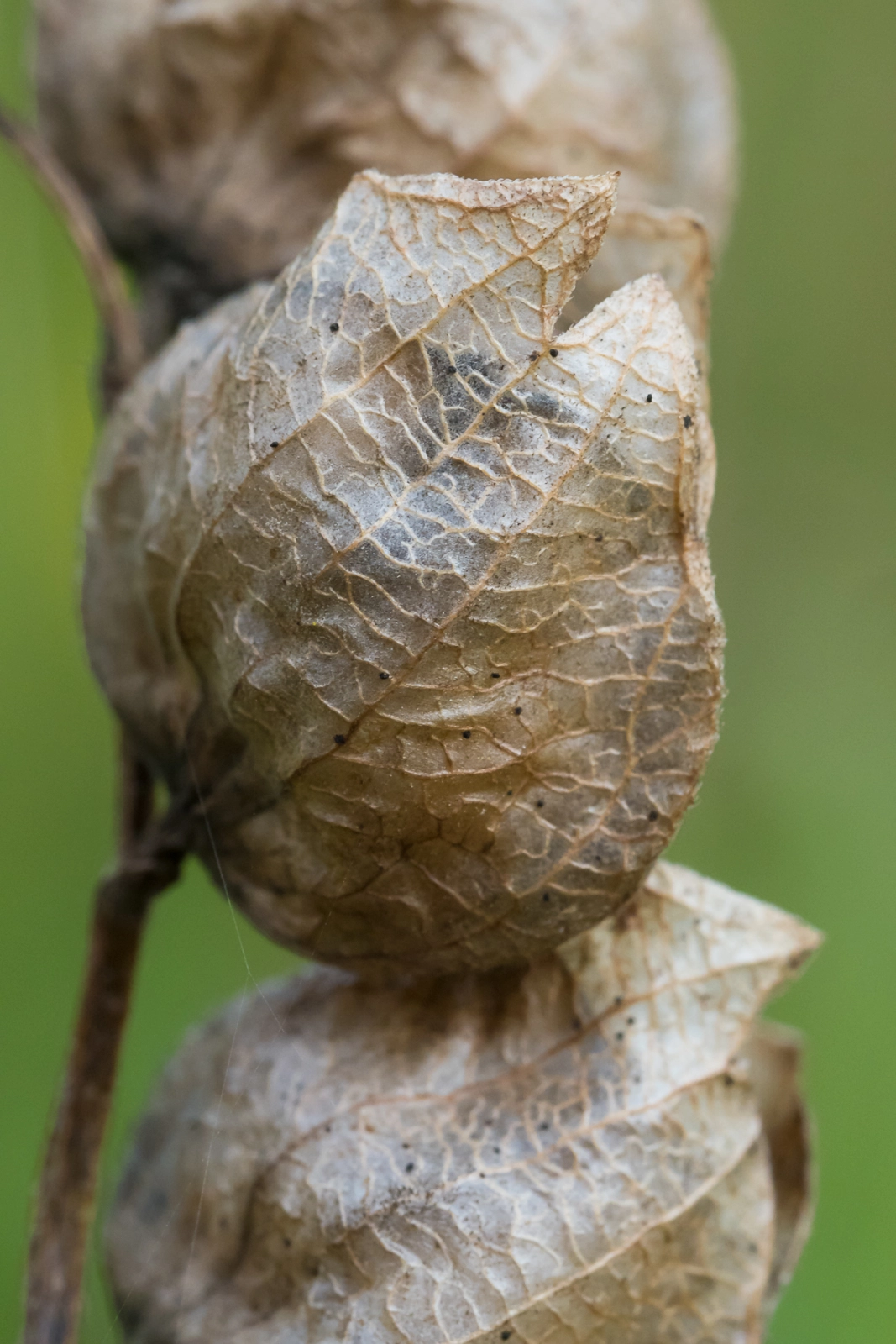
I then focussed in on Yellow Rattle, which I had been wanting to nature journal for a while and did a drawing of its dried seed pods on a old flower stalk.
Yellow Rattle is critical to meadow establishment as it is a hemi-parasite. It’s roots drill into those of other grasses and extract nutrients. This weakens them by up to 50-60%, so enabling more delicate species to establish that would otherwise be crowded out by more vigorous plants.
Yellow Rattle, or Cocks-combe was first documented in John Gerard’s Herbal in 1597 according to whom it was so-named because
“wherein is contained flat yellowish seed, which being ripe and dry will make a noise or rattling when it is shake or moved”
Traditional Folklore Names
The alternative traditional names he mentioned were Coxcombe or Penny-grass. Of the 54 traditional folk names captured by Plantlore the vast majority continued with monetary and rattle themes for example Henpen (widespread), Horse-pennies (Derbyshire), Money-grass (Leicestershire), Penny-rattle (Sussex), Penny-weed (Midlands), Rattle (widespread), Rattle-jack (Lincs), Shackle-bags (Devon), Shekel-basket (Dorset) and in the North and Scotland variations around Doggins, Dog’s siller and Gowk’s (cuckoo) shillings . I’ve been unable to find out which names were in common usage in Norfolk, but I like the ring of Lincolnshire’s Rattle-jack myself!
Pliny’s Mimmulum?
In Pliny the Elder’s Naturalis Historia (Natural History), mimmulum (often spelled mimulus in modern botany) was a specific weed or parasitic plant that is generally identified by classical scholars to be Yellow Rattle. Pliny mentions the plant in Book 18 (The Natural History of Grain), where he discusses agricultural pests, weeds, and diseases that harm cereal crops. This may explain why Gerard mentions it growing in pastures being “an annoyance to them [farmers]” and did not find any medicinal “Virtues” for the plant, which was seen as a nuisance.


My reference photos for Yellow Rattle and to evoke my sound bubblechart:


