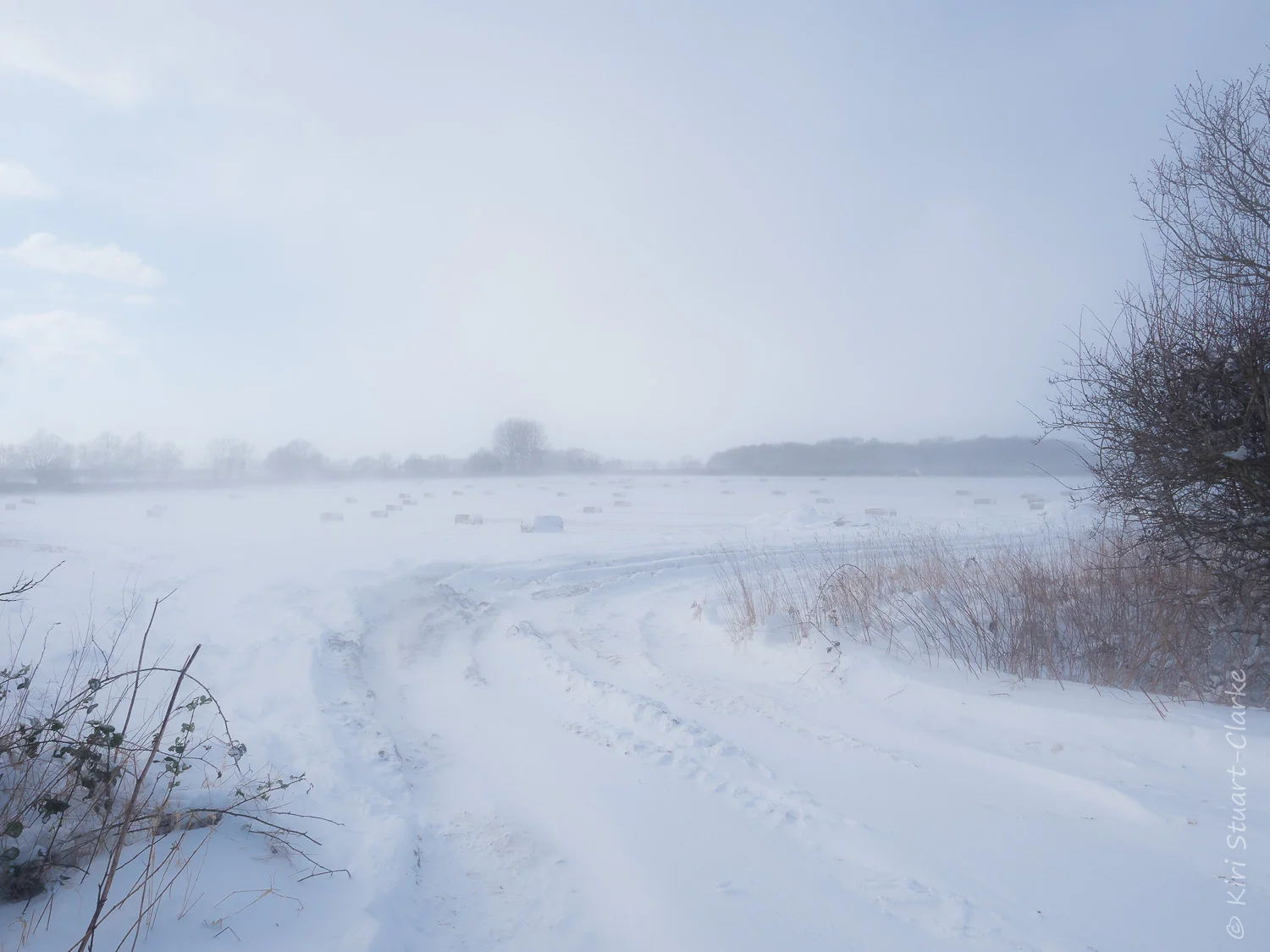
Winter had a vicious sting in its tail this February. Was it made worse by a lack of protective hedgerows?
Apparently “sudden stratospheric warming” over the North Pole, in itself disturbing at this time of year according to climatologists, caused a sharp cooling in lower levels of our atmosphere. Then, via a complex chain of meteorological events reminiscent of the metaphor about the butterfly that flapped its wings on one continent and caused a hurricane on another, it brought about heavy snowfall that covered virtually all of the British Isles.
An unusually strong and harsh northeasterly wind stream dubbed the “Beast from the East” triggered a bitter cold snap then swept in heavy snowfall, which was in turn intensified by strong drifting due to the fierce, biting winds that blew continuously for days.
How does stratospheric warming lead to extremely cold weather?
Every winter a stratospheric polar vortex develops containing powerful westerly winds circulating around the north Pole. Sometimes these winds can weaken or even reverse their direction altogether. This causes the cold air to drop down inside the polar vortex and leads the higher stratosphere level of our atmosphere to rapidly warm up by up to 50° over just a few days.
The dispersal of the cold air lower down then impacts on the shape of our jet stream, causes it to arc and meander more. This in turn often creates a blocking system of high pressure, which in northern Europe causes a spell of cold dry weather, while further south in Europe it becomes wet and windy. On the edge of this system where the two meet, you see cold easterly winds form, and sometimes snow.
The Impact of the Beast from the East
Here in big sky Norfolk we were heavily exposed to “the Beast” and much of the county was cut off by incredibly large snowdrifts formed by its winds. These, I noticed, were far deeper in areas where the farmers’ field verges lacked hedging, a stark reminder of the environmental value of this oft overlooked habitat, which for many years was ripped out to maximise the yield potential of the land in ill-conceived agricultural efficiency drives.
Thankfully many incentives and charities now exist to support re-establishment of these vital wildlife corridors and natural windbreaks, so hopefully Norfolk will improve its reputation among hedge layers in years to come and next time the Beast from the East comes to visit, we’ll be ready for him…
